

Researchers unravel the structure of bacterial appendages

A research team led by David Thanassi, PhD, of Stony Brook University, has used molecular biology and cryoelectron microscopy to successfully unravel the structure of bacterial appendages called P pili. These pili are deployed by uropathogenic strains of Escherichia coli bacteria that cause kidney infections. The structure of P pili had been elusive to scientists […]

Novel method enables 3D imaging of human organs with micrometer precision

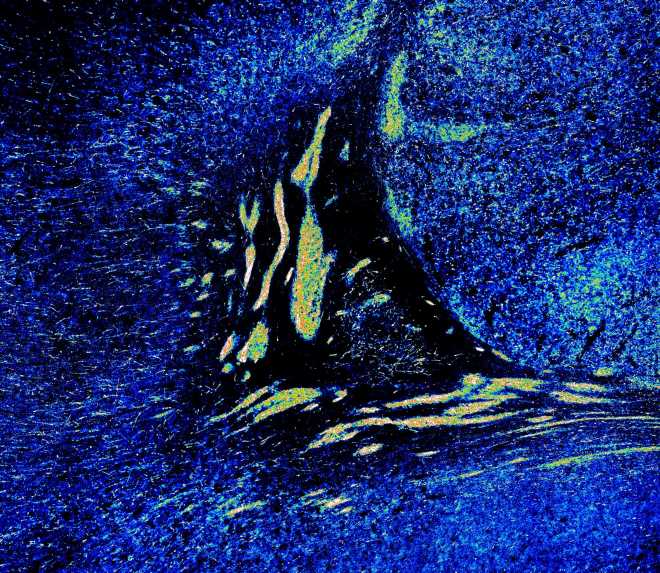
Researchers at Umeå University, Sweden, now demonstrate a method by which specific cell types in human organs can be studied with micrometer precision. The method can be used to reveal previously unrecognized alterations in the pancreas, but it can also be used to study other human organs and diseases. This method may contribute to an […]

Study shows how proteins work in concert to resolve DNA double-strand breaks

From cancer treatment to sunlight, radiation and toxins can severely damage DNA in both harmful and healthy cells. While the body has evolved to efficiently treat and restore damaged cells, the mechanisms that allow this natural repair remain misunderstood. In a new study, Northwestern University researchers have used cryogenic electron microscopy (cryo-EM) to visualize this […]

Powerful algorithms can 'predict' the biological language of cancer and Alzheimer's

Powerful algorithms used by Netflix, Amazon and Facebook can 'predict' the biological language of cancer and neurodegenerative diseases like Alzheimer's, scientists have found. Big data produced during decades of research was fed into a computer language model to see if artificial intelligence can make more advanced discoveries than humans. Academics based at St John's College, […]